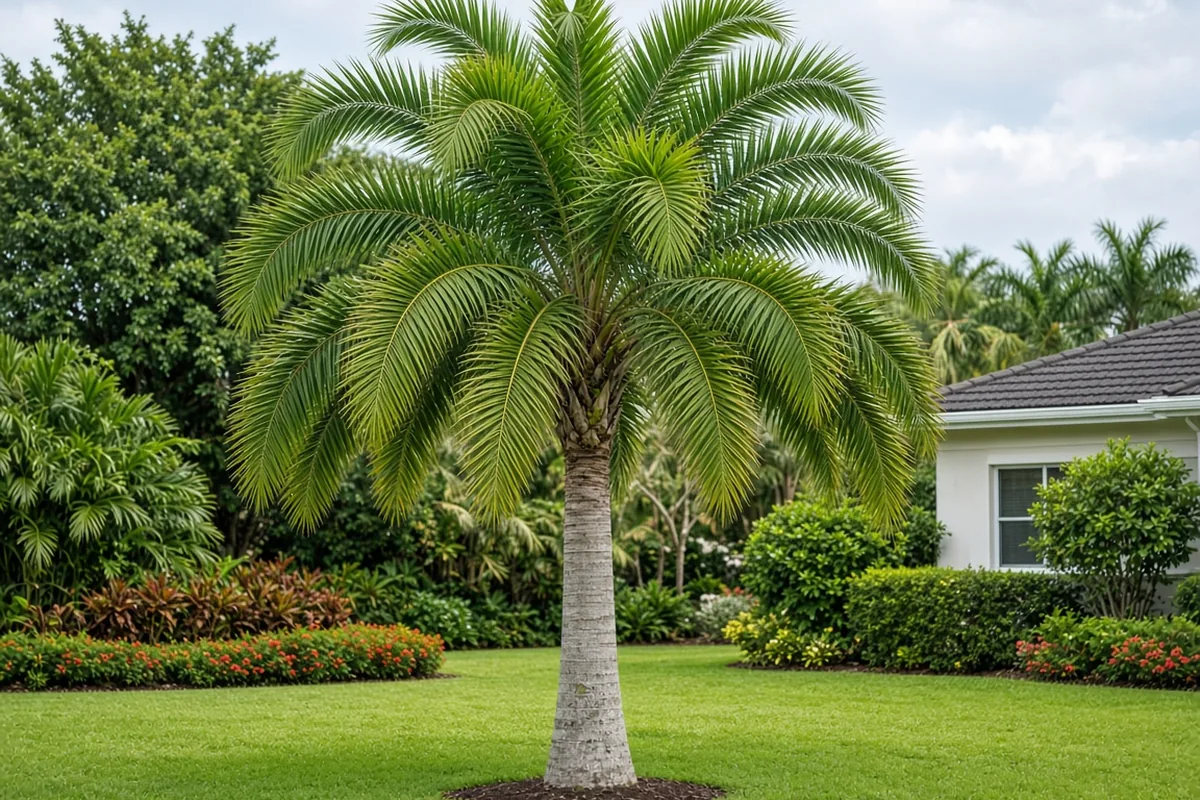
Palm tree trimming in South Florida is not the same as shearing a hedge into a shape. Palms store and move nutrients through their fronds, and cutting too aggressively can weaken the crown instead of preparing it for storms. For homeowners comparing tree services, the useful starting point is not a photo of a tightly skinned palm, but a clear goal: remove hazards, reduce litter, and keep a full, healthy canopy.
Earthly Exteriors, based in Southwest Ranches, includes palm and tree trimming, tree and plant removal, stump grinding, and cleanup among its tree services, alongside lawn care, landscaping, and pavers. That mix matters because palm work rarely ends when the last frond drops. Debris, lawn damage under drop zones, and neighboring beds all need a plan.
Service details are outlined on the Earthly Exteriors services brochure, with the broader company overview on the Earthly Exteriors homepage.
South Florida landscapes rely on palms for height, shade, and a regional look. A palm has one primary outdoor job after planting: stay structurally sound while shedding older fronds on its own schedule. Professional trimming supports that job when dead material, fruit stalks, or clearance issues create risk.
UF/IFAS Guidance Starts With Leaving Green Fronds Alone
University of Florida IFAS pruning guidance is clear: do not remove live, green, healthy fronds. Those leaves feed the palm. Overpruned palms that look like feather dusters, with fronds only pointing upward, are weaker and provide less shade. A practical rule of thumb is to remove only fully brown, dead fronds, and to treat the old “9 o’clock to 3 o’clock” clock-face limit as a hard ceiling rather than a target.
Yellowing or partially green fronds often still supply nutrients, and they can also help diagnose deficiencies. Cutting them early can erase symptoms while starving the palm. Flower and fruit stalks can usually be removed when they create mess or hazard, without the same nutrient penalty as cutting green leaves.
Homeowners sometimes treat every palm species as interchangeable. Self-cleaning palms that drop fronds on their own need less routine cutting than species that retain dead leaves against the trunk. Knowing which palms are on the property changes how often a crew should visit and what “done” should look like afterward.
Hurricane Cuts Are a Myth That Weakens Palms
So-called hurricane pruning, which strips most fronds before storm season, is common in Florida and discouraged by UF/IFAS. Observations after storms have shown that overcut palms were more likely to lose their crowns. Green fronds help the palm withstand wind; removing them for a skinny silhouette does the opposite of what many property owners intend.
Repeated overpruning can also produce a narrowed “pencil top” just below the canopy, a structural weakness. Some South Florida municipalities have restricted extreme overpruning practices for that reason. Aesthetic preference for a skinned look should not override canopy health or long-term survival.
Safe preparation for storm season is more about removing truly dead or broken fronds and fruit clusters that could become debris, not reinventing the palm’s natural form. Palms are already adapted to flex in high wind when they keep a full crown. Tying or strapping canopies is also discouraged in UF/IFAS storm-prep notes.
Match Tree Service to the Property Question
A useful comparison asks what the palm must clear and what it must keep. If the objective is hazard reduction and a healthy full canopy with local cleanup support, professional palm trimming is a direct match. If the objective is removing a failing or poorly placed palm entirely, tree and plant removal plus stump grinding may be the clearer path.
Many South Florida properties combine both: selective trimming on healthy palms, and removal where roots, lean, or disease make retention impractical. The brochure also lists lawn care and landscaping, which lets canopy work sit beside turf recovery and bed repairs once light and litter patterns change.
Asking for the most aggressive cut available often produces a weaker palm than a scoped, conservative trim. The fronds left behind are part of the material. Cleanup after the cut is the other part. Homeowners who only compare price per palm without comparing how much green will remain are not comparing the same service.
Access, Safety, and Cleanup Are Part of the Service
A clean palm trim is less about speed and more about basics done carefully: only dead or hazardous fronds removed, cuts made without tearing into the trunk, no climbing spikes that wound the stem, and tools managed so disease is not moved casually from palm to palm. Fronds that do not release easily should not be forced off.
- Confirm which palms need work and whether fruit stalks should be removed.
- Note power lines, roofs, pool cages, and parking areas under drop zones.
- Plan lawn protection and debris hauling before cutting begins.
- Decide whether stump grinding is required if a palm is being removed rather than trimmed.
Earthly Exteriors lists cleanup after every tree service, which pairs naturally with palm work. Lawn care and hedge shaping on the same menu help restore the ground plane once litter and shade patterns change. Dropped fronds can bruise turf and bury irrigation heads if they are left overnight.
Timing is flexible for health, according to UF/IFAS, as long as pruning rules are followed. Commercial schedules are often set for convenience and safety around the property calendar. Supporting pollinators may mean waiting until blooms drop before removing certain stalks, when that goal matters to the homeowner.
Removals and Stumps Change the Landscape Plan
Not every palm problem is a trimming problem. Lean toward a structure, declining buds, or repeated storm damage can make removal the safer choice. Stump grinding then clears the spot for turf repair, new planting, or hardscape. Sequencing removal with landscaping or paver work prevents paying twice for the same bed.
Estimates are listed as free. The company invites property discussions by phone at (786) 285-3191 or email at info@earthlyexteriors.com. Pricing depends on palm height and count, access, disposal needs, and whether removal or stump grinding is included.
A clear scope makes that estimate more accurate: species or photos if known, notes on overhead lines, preferred canopy fullness, and any lawn or bed work planned afterward. Vague requests produce vague numbers.
Local crews familiar with South Florida conditions can also flag when a proposed cut would overprune a palm or when a removal is wiser than another light trim. Catching those calls before the crew climbs protects both the trees and the landscape budget. A simple before-and-after photo set also helps homeowners judge whether the canopy still looks full enough.
A Practical Standard for Palm Care
Palm tree trimming is a South Florida canopy tool with local cleanup support, not a contest to remove the most green. The strongest project plan keeps living fronds, clears true hazards, avoids hurricane-cut myths, and treats debris removal and lawn recovery as part of the same visit.
For homeowners comparing options, start with which palms need deadwood or fruit-stalk removal and which may need full removal, then decide whether trimming should be paired with stump grinding, lawn care, or a landscape refresh on the same timeline. Clear scope up front makes the free estimate more useful and keeps the finished canopy aligned with how the property is actually used.